Australian researchers say stacking PV cells may make solar ever cheaper and more efficient
 The next-generation of solar technology could be cheaper, more efficient and a step closer to reality after advances by a team of Australian scientists.
The next-generation of solar technology could be cheaper, more efficient and a step closer to reality after advances by a team of Australian scientists.
 Kaluza CEO Melissa Gander on the change in technologies, and energy thinking, that will deliver more value to consumers. Plus: News of the week, including solar recycling plan and home battery uptake.
 As Australia's biggest utility stalls on the closure of the biggest coal plant, Andrew Forrest says he is charging towards real zero: "We’re not doing this to be heroic."
 Energy retailers should be required to act in their customers’ best interests, rather than forcing consumers to constantly defend themselves against bad electricity plans.
 EPBC reforms blamed for creating enough uncertainty for global energy giants to withdraw their application for controversial carbon capture and storage project.
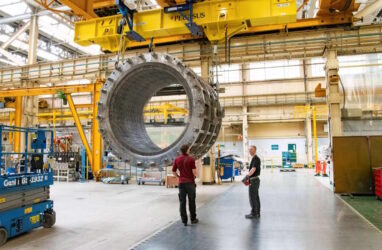 The life extensions to giant coal plants are being driven by fears about grid "security", and may not be addressed while spinning machines are regarded as the only cure.
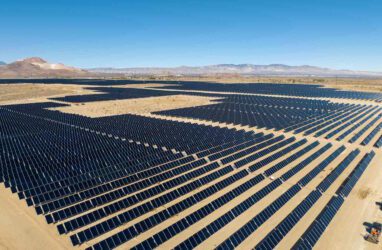 Solar growth also met all of the daytime growth in electricity demand in the US, as well as some of the growth in demand in the evenings, with the help of batteries.
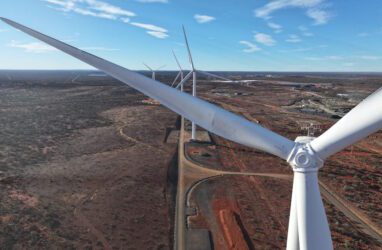 One of Australia's biggest gold mines is sourcing nearly 90 per cent of its power needs from wind and solar from its off-grid hybrid power system.
 Former regulator, Ron Ben-David argues that loyalty penalties, consumer confusion and endless rule-making all stem from a flawed market design that puts responsibility on households instead of energy retailers.
 A new $2 billion solar and battery hybrid project has entered the federal EPBC queue, and hopes to be operational in 2031, if it can land state approvals too. .